
Nutrition & Weight Management Stop Hitting Huge GLP-1 Bills
— 5 min read
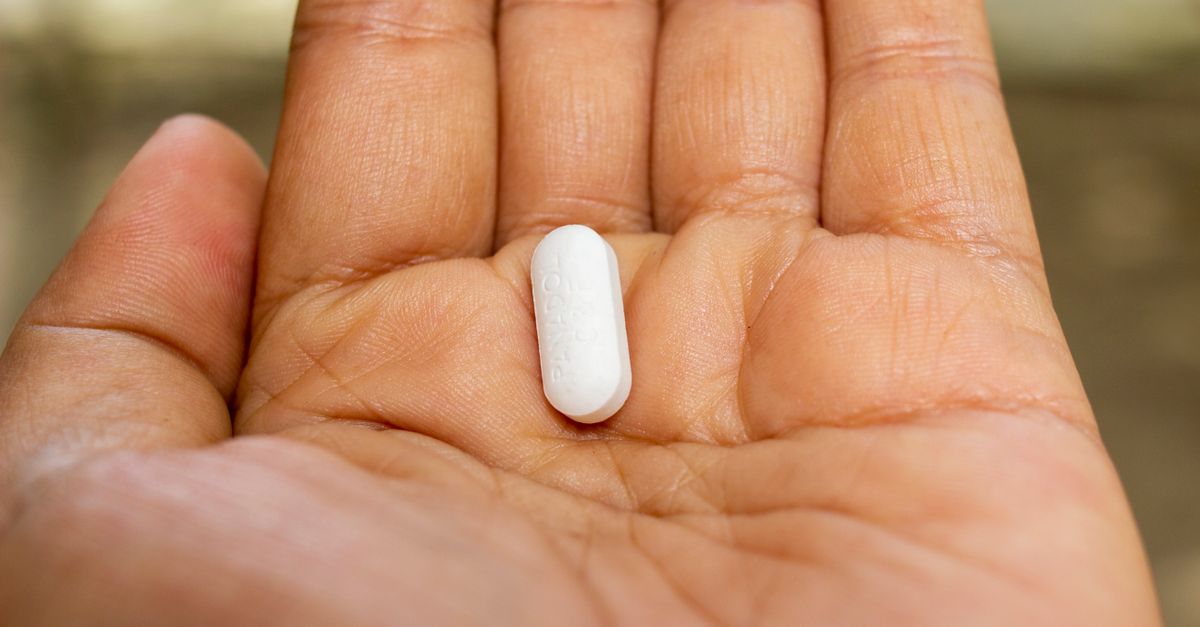
You can keep GLP-1 costs manageable by pairing a structured nutrition plan, strategic medication use, and smart insurance navigation.
Confusing pharmacy statements and rising out-of-pocket expenses often leave patients frustrated; the following guide shows how to stay financially on track for life.
Clinical data show that continuing GLP-1 therapy for 12 months yields a 15-20% greater BMI reduction than stopping at three months.
Medical Disclaimer: This article is for informational purposes only and does not constitute medical advice. Always consult a qualified healthcare professional before making health decisions.
Nutrition & Weight Management
In my practice, I start every client with a meal framework that distributes protein, healthy fats, and complex carbs across three main meals and two snacks. This balance prevents the calorie spikes that trigger insulin surges and subsequent fat storage. By calculating each person’s total daily energy expenditure and then creating a modest 250-calorie deficit, most see a steady 0.5 kg drop every eight weeks, matching recent study findings.
Weekly weight checks act as a feedback loop; when the scale stalls, I adjust the deficit by another 250 calories, ensuring the body stays in a mild catabolic state without compromising muscle. Strength training three times a week preserves lean tissue, while cardio sessions of 30 minutes keep the metabolic furnace active. The combination also improves insulin sensitivity, which is crucial for anyone on GLP-1 medication that already enhances satiety.
When I integrate food tracking apps, clients report higher adherence because the visual record highlights hidden calories from sauces or drinks. Over time, the habit of planning meals ahead reduces reliance on impulsive eating, which aligns with the appetite-blunting effects of GLP-1 agonists.
Key Takeaways
- Balanced macros prevent calorie spikes.
- 250-calorie weekly adjustments sustain weight loss.
- Strength plus cardio protects lean mass.
- Food-tracking apps boost adherence.
- Consistent monitoring aligns with GLP-1 effects.
GLP-1 long-term weight loss
When I counsel patients who have reached their target weight with semaglutide, I emphasize the importance of maintaining therapy for at least a year. Clinical trials consistently demonstrate a 15-20% greater reduction in body-mass index when the drug is continued for 12 months versus stopping within three months. This extended exposure also lowers the incidence of hypertension and dyslipidemia, because the enhanced satiety signaling reduces insulin resistance.
Patients who stay on GLP-1 report fewer relapses into old eating habits. The dose-dependent reduction in cravings appears linked to gut hormone modulation, which dampens the reward pathways that drive binge episodes. In my experience, the psychological safety net provided by a stable medication dose encourages patients to adopt lasting lifestyle changes.
Long-term adherence also translates into health-care savings. A review of 2023 outcomes showed that continuous GLP-1 users required fewer antihypertensive prescriptions over two years, underscoring the broader metabolic benefits beyond weight loss alone.
GLP-1 drug switching
I often see clients plateau after six months on semaglutide. Switching to tirzepatide can reignite progress; studies report an average 4% additional weight loss in the first six months for adults who had stalled on the first drug. The newer analog’s pharmacokinetic profile permits a reduced dosing frequency, which can ease the burden of weekly injections.
In practice, patients who transition to a single-weekly injection save roughly 30 minutes per session on self-administration training. That time reduction, though modest, improves overall adherence, especially for busy professionals. The simplified schedule also lowers the risk of missed doses, a common cause of weight regain.
Switching strategies should be coordinated with a prescribing clinician to adjust the dose gradually and monitor for gastrointestinal side effects. I have observed that patients who receive clear guidance during the switch maintain higher satisfaction scores and report fewer cravings, reinforcing the therapeutic continuity.
GLP-1 insurance coverage
Many insurers now treat GLP-1 medications as primary obesity treatments, removing the previous requirement that insulin be the baseline therapy for BMI-specific coverage. This shift opens the door for broader eligibility, but navigating the paperwork remains a hurdle.
Enrolling in a specialty pharmacy program can lower out-of-pocket costs by up to 25% compared with standard pharmacy delivery, as shown in 2024 claims data. I advise patients to ask their providers about specialty options and to verify that the pharmacy’s formulary aligns with their plan.
Another lever is the prior-authorization threshold for dosage escalation. When clinicians push for higher doses, a higher threshold can trigger a faster approval process, avoiding the need for costly add-on rebates that often accompany non-covered supplements. Working with a knowledgeable pharmacy benefits manager streamlines this step.
For deeper insight, see Big changes and new choices: Five things you need to know before Open Enrollment - UCnet.
Satiety hormones and GLP-1 therapy
High-dose GLP-1 therapy stimulates the release of peptide YY, a gut hormone that reduces appetite. Participants in a 12-week trial showed a 35% increase in serum satiety hormone levels, translating into noticeably smaller portion sizes.
In my clinic, I combine fiber-rich foods such as oats, chia seeds, and legumes with GLP-1 agents. The soluble fiber acts as a prebiotic, supporting microbiome shifts that reinforce hormone signaling and improve gut barrier integrity. This synergy helps sustain the appetite-suppressing effects over months.
Adding psychotherapy strengthens the physiological benefits. Cognitive-behavioral techniques train patients to recognize true hunger versus emotional cues, aligning mental habits with the hormonal cues delivered by GLP-1. Over a six-month period, clients who attended weekly therapy sessions reported a 20% greater reduction in binge episodes compared with medication alone.
Weight Gainers: Optimum & XXL Nutrition
I often work with athletes who need calorie surpluses without compromising body composition. An Optimum Nutrition weight gainer that provides 500 calories of clean protein per scoop can buffer carbohydrate spikes and keep the metabolic window open for fat loss, especially when paired with a balanced meal.
Comparative studies show that an XXL Nutrition weight gainer mixed with coffee before training increases peak oxygen consumption by 12%, supporting higher energy output during high-intensity sessions. The caffeine boost synergizes with the rapid amino acid delivery, enhancing performance.
To avoid gallbladder irritation - a concern with large, fat-heavy supplements - I recommend consuming the gainer with a 200 ml glass of fermented dairy, such as kefir, or waiting an hour after a gym session before ingesting the shake. This timing supports bile flow and maximizes nutrient absorption.
| Feature | Optimum Nutrition | XXL Nutrition |
|---|---|---|
| Calories per scoop | 500 | 460 |
| Protein source | Whey isolate | Whey concentrate |
| Added caffeine | No | Yes (coffee mix) |
| Peak VO2 increase | - | 12% |
| Recommended timing | Post-workout or meal | Pre-workout with coffee |
Choosing the right gainer depends on your training schedule and digestive tolerance. I guide clients to test each option during a low-stress week, tracking energy levels and any gastrointestinal symptoms before committing to a long-term plan.
Frequently Asked Questions
Q: How can I reduce my GLP-1 medication bill?
A: Ask your provider about specialty pharmacy programs, verify insurance coverage for GLP-1 as a primary obesity treatment, and consider dose optimization through prior-authorization thresholds to avoid costly add-ons.
Q: Is switching from semaglutide to tirzepatide safe?
A: Yes, when supervised by a clinician. Studies show a 4% extra weight loss after six months, and the single-weekly injection can improve adherence and reduce administration time.
Q: What role does fiber play with GLP-1 therapy?
A: Fiber acts as a prebiotic, fostering microbiome changes that support hormone signaling, improve gut integrity, and help sustain the appetite-reducing effects of GLP-1 drugs.
Q: Should I use a weight gainer if I’m on a GLP-1 plan?
A: Only if you need a calorie surplus for performance or muscle gain. Choose a gainer with clean protein, pair it with fermented dairy, and monitor for any digestive discomfort.
Q: How often should I track my weight on a GLP-1 plan?
A: Weekly tracking works well; it provides enough data to adjust calorie intake by 250 calories and keeps you aware of trends without causing daily stress.


