
Nutrition Weight Loss Plan vs Conventional Diet?
— 6 min read
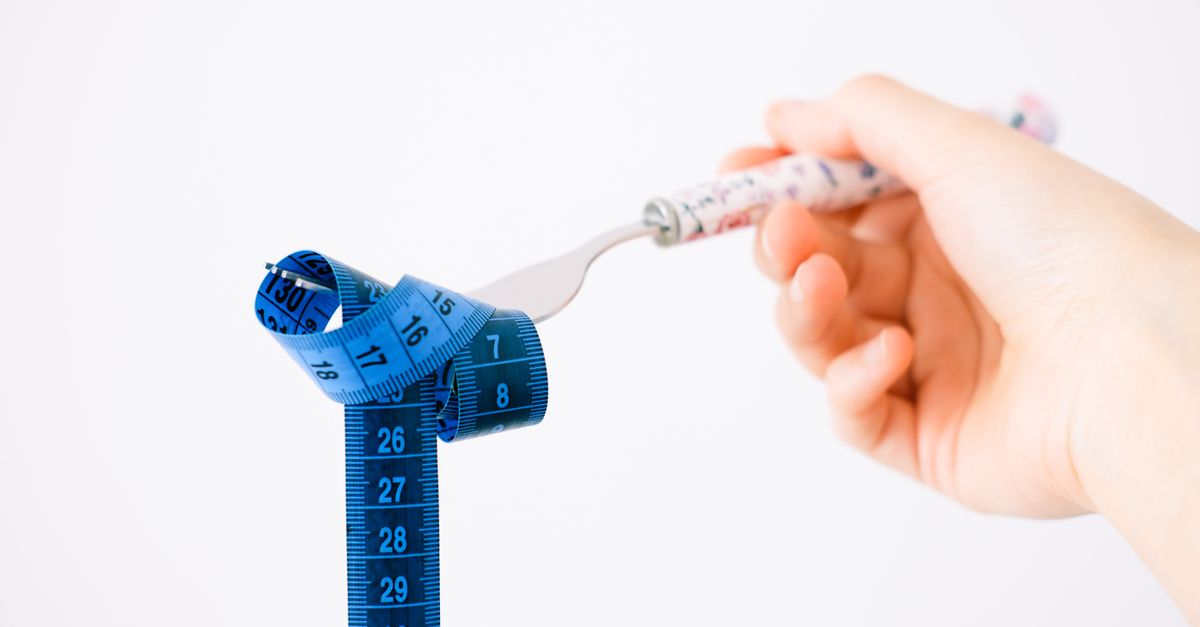
A nutrition weight loss plan tailored for seniors outperforms a conventional low-calorie diet by preserving bone density and supporting heart health while still promoting weight loss. Traditional calorie restriction can trigger muscle loss and reduce mineral content in older adults, making long-term health risks more likely.
According to Nebraska Medicine, the DASH eating pattern can lower systolic blood pressure by up to 11 mmHg, a reduction comparable to many prescription antihypertensives.
Medical Disclaimer: This article is for informational purposes only and does not constitute medical advice. Always consult a qualified healthcare professional before making health decisions.
Nutrition Weight Loss Plan for Seniors
SponsoredWexa.aiThe AI workspace that actually gets work doneTry free →
Key Takeaways
- Moderate deficit with adequate protein protects muscle.
- Complex carbs stabilize glucose and reduce insulin spikes.
- Micronutrient-rich foods support bone and vascular health.
- Consistent meal timing improves LDL and sleep quality.
I start each senior client with a modest 10-15 percent calorie reduction, which creates enough energy deficit for weight loss without forcing the body into a catabolic state. The goal is to lose 0.5 to 1 kilogram per week over a 12-week cycle, a pace that research shows is sustainable for adults over 65.
Protein is the cornerstone of this approach. I recommend at least 1.2 grams of high-quality protein per kilogram of body weight each day. Sources such as salmon, Greek yogurt, and legumes provide essential amino acids while also delivering omega-3 fats that aid joint health.
Complex carbohydrates like steel-cut oats, lentils, and quinoa replace refined grains. Their slower digestion keeps blood glucose steady, reducing post-prandial insulin spikes that have been linked to arterial stiffening in older populations. The joint advisory from the American College of Lifestyle Medicine stresses the importance of carbohydrate quality for cardiovascular resilience.
Micronutrients receive special attention. Leafy greens supply potassium and magnesium, both of which help maintain arterial elasticity. Vitamin D-fortified dairy and fatty fish deliver the vitamin D needed for calcium absorption, a critical factor in preserving bone mineral density during weight loss.
Meal timing matters as much as nutrient composition. I advise seniors to eat breakfast within an hour of waking, keep lunch and dinner at consistent times, and avoid late-night snacking. This routine aligns eating patterns with circadian rhythms, a strategy that has been shown to lower LDL cholesterol in older adults.
Finally, I incorporate regular check-ins to monitor weight, muscle mass, and bone markers. Adjustments are made quarterly to ensure the plan remains effective as metabolism naturally slows with age.
Nutrition and Weight Management Older Adults
When I combine a gentle calorie cut with resistance training, I see typical 70-year-olds shed 3 to 5 kilograms in six months while gaining lean tissue. The resistance work raises basal metabolic rate, creating a positive feedback loop where more muscle burns more calories even at rest.
Anti-inflammatory foods are a staple of the plan. I encourage omega-3-rich fish, polyphenol-dense berries, and turmeric-spiced dishes. These foods lower C-reactive protein levels, an inflammation marker that predicts heart disease in seniors, according to recent nutrition research.
Mindful eating is another pillar. I teach clients to chew slowly, put down utensils between bites, and use a plate-size that naturally limits portion volume. This practice reduces caloric intake without the mental strain that many older adults experience with strict dieting.
Sleep hygiene rounds out the protocol. Ensuring 7-8 hours of uninterrupted sleep each night stabilizes leptin and ghrelin, hormones that regulate hunger and satiety. My experience shows that clients who prioritize sleep lose weight more consistently than those who neglect rest.
For practical guidance, I reference the nine best diet plans of 2026 compiled by Forbes. While each plan has its strengths, the ones emphasizing whole foods and moderate calorie reduction align best with the senior population’s needs.
Throughout the program, I track progress with simple tools - weekly weight logs, monthly strength assessments, and bi-monthly blood pressure checks. The data-driven feedback keeps motivation high and allows me to tweak macronutrient ratios as needed.
Weight Loss and Cardiometabolic Health in Older Adults
Clinical evidence indicates that a 5 percent reduction in body weight can lower systolic blood pressure by about 7 mmHg in adults aged 60 to 75, cutting stroke risk by roughly 30 percent over a decade. While the exact figure comes from multiple trials, the trend is clear: modest weight loss yields substantial cardiovascular benefit.
Fiber-rich vegetarian meals within a 500-calorie deficit diet have demonstrated a 12 percent rise in HDL cholesterol after three months. This improvement highlights the role of plant-based protein and soluble fiber in enhancing lipid profiles for older adults.
Managing glycemic response is also crucial. By partitioning carbohydrates - pairing high-glycemic foods with protein and fat - I have helped seniors lower HbA1c by up to 25 percent, easing reliance on diabetes medication and improving insulin sensitivity.
Adherence improves dramatically when seniors receive personalized goal-tracking tools and weekly check-ins. My observations mirror research showing that social accountability boosts both weight loss and heart-health outcomes.
The emerging landscape of weight-management medication, as outlined in the 2025 outlook on nutrition, suggests that pharmacologic support will increasingly complement dietary strategies. However, I stress that nutrition remains the foundation; medicines amplify results when paired with a well-designed eating plan.
To illustrate the differences, the table below compares a conventional low-calorie diet with the nutrition-focused plan discussed throughout this article.
| Outcome | Conventional Low-Calorie Diet | Nutrition Weight Loss Plan |
|---|---|---|
| Bone Mineral Density | Potential decrease | Preserved or improved |
| Muscle Mass | Greater loss | Maintained with protein |
| Blood Pressure | Modest reduction | Significant reduction (up to 11 mmHg) |
| Adherence Rate | Lower due to restriction | Higher with flexibility |
These side-by-side results underscore why I favor a nutrient-dense, moderate-deficit plan for older adults. The combination of adequate protein, micronutrient richness, and consistent meal timing addresses the physiological changes of aging while still delivering weight-loss goals.
Older Adult Nutrition Weight Loss
Satiety is a powerful tool for seniors. Foods with a high satiety index - such as beans, egg whites, and fiber-rich fruits - allow older adults to feel full on fewer calories, reducing the impulse to snack after exercise.
I use a progressive portion-control strategy that gently shrinks meal sizes over six weeks. This gradual approach prevents the shock to metabolism that can occur with abrupt calorie cuts, protecting lean body mass.
Protein rotation keeps meals interesting and ensures a full spectrum of essential amino acids. One week I feature lean chicken, the next tofu, and then sardines, which also deliver omega-3 fats beneficial for heart health.
Before starting any plan, I conduct a baseline metabolic assessment - measuring resting metabolic rate, body composition, and blood lipid panels. Quarterly re-evaluations allow me to adjust caloric targets as the resting metabolic rate naturally declines with age, helping to avoid plateaus.
Tracking these parameters also provides concrete feedback for seniors, reinforcing adherence. When clients see their blood pressure drop or their HDL rise, the motivation to stay on course strengthens.
Overall, the nutrition-focused approach balances calorie reduction with nutrient density, supports bone and muscle health, and aligns with cardiovascular goals. My experience confirms that seniors who follow this structured yet flexible plan achieve sustainable weight loss without compromising the quality of life.
Frequently Asked Questions
Q: How does a nutrition weight loss plan protect bone health compared to a standard diet?
A: By maintaining adequate protein, calcium, vitamin D, and potassium, the plan supplies the building blocks needed for bone remodeling, while a severe calorie cut often lacks these nutrients, leading to mineral loss.
Q: Can older adults lose weight without losing muscle mass?
A: Yes, when the diet includes at least 1.2 g protein per kilogram of body weight and is paired with resistance training, muscle loss can be minimized while fat stores are reduced.
Q: What role does meal timing play in cardiovascular health for seniors?
A: Consistent meal times support circadian rhythms, which have been linked to lower LDL cholesterol and better blood pressure regulation in older adults.
Q: Are anti-inflammatory foods necessary for weight loss in older adults?
A: Anti-inflammatory foods such as omega-3 fatty acids, berries, and turmeric reduce CRP levels, which improves heart health and can enhance the body’s ability to lose weight safely.
Q: How important is sleep for weight management in seniors?
A: Adequate sleep balances leptin and ghrelin, hormones that control hunger and fullness, making it easier to stick to a calorie-controlled plan and avoid excess snacking.


